Why the lake makes a difference
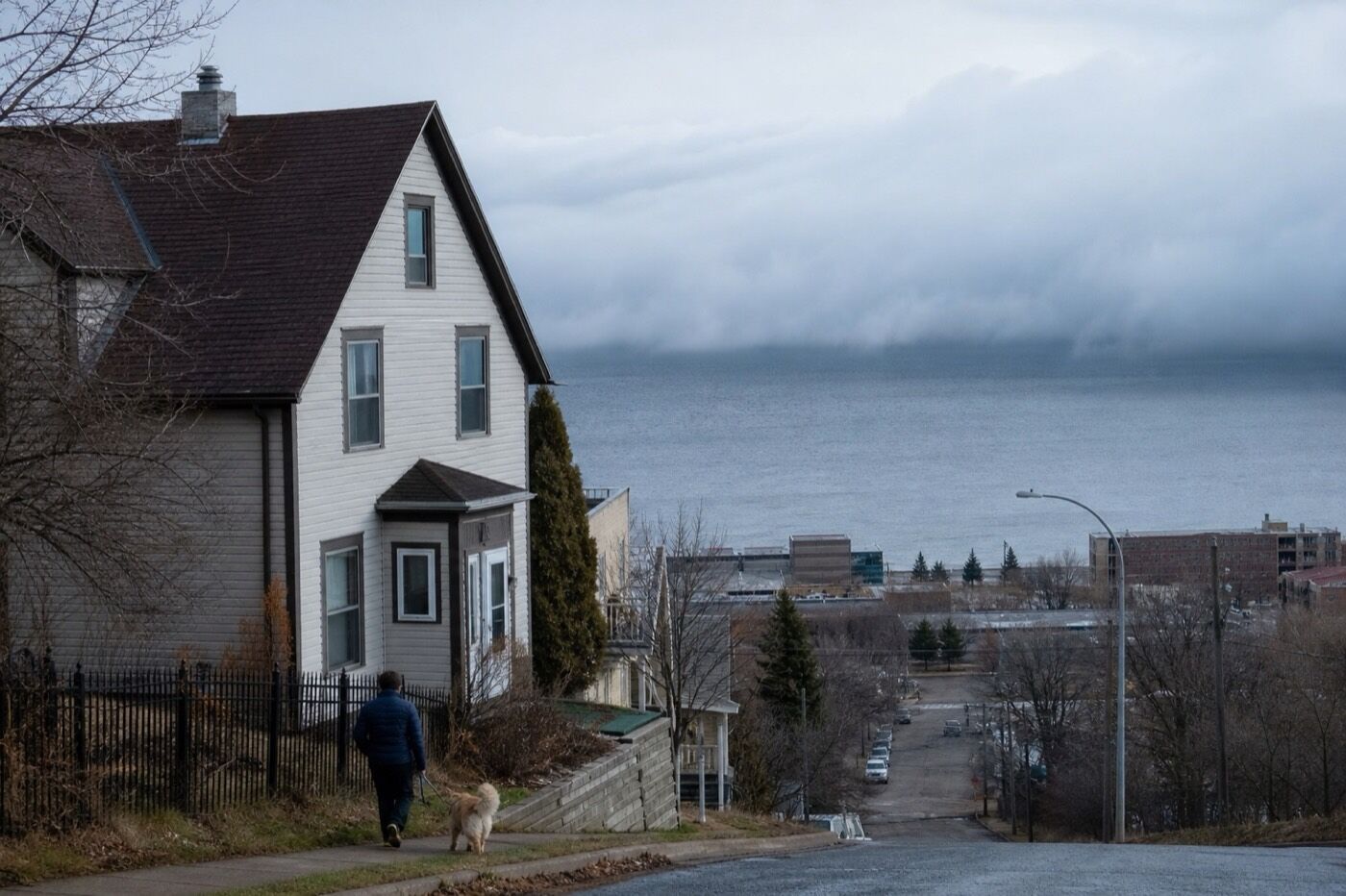
Lake Superior keeps summers cooler near the shore, and fog often rolls in off the water. Cool, damp air can slip into basements and crawlspaces and settle there for days at a time.
Homes in Duluth, Two Harbors, Grand Marais and other lakeside towns may notice this more than homes farther inland, since the air around them tends to carry more moisture.
Where ducts can collect condensation
Ducts are most at risk where they pass through spaces that are not heated or cooled on purpose. Cool air inside a metal duct can meet warm, damp air outside it, and water may form on the surface.
- Crawlspaces with bare soil or little ventilation.
- Basements that feel clammy in summer.
- Attics where ducts run beside a cold roof deck.
Look for damp or stained insulation, drips beneath a duct, rusty seams, a musty smell when the system runs, or dark spots near a register.
Steps a homeowner can take
- Run a dehumidifier in a damp basement, and empty it often.
- Use bath and kitchen exhaust fans so steam leaves the house.
- Keep registers and return grilles open and free of furniture.
- Check ducts in cold spaces for condensation a few times each season.
- Ask a licensed HVAC contractor whether sealing or insulating ducts in cold spaces would help.
Mold testing and any repair to ducts or equipment are work for licensed professionals, not for a duct cleaner.
Common questions
Is humidity really a bigger issue near Lake Superior?
It often can be. Air near the lake tends to hold more moisture on foggy and damp days, so homes close to the shore may see more condensation than homes farther inland.
Can condensation form on the outside of ducts?
Yes. Cool metal ducts that run through a humid crawlspace, basement or attic can sweat, much like a cold glass on a summer day. Wet insulation or drips under a duct may be a clue.
Does a musty smell from the vents mean mold?
Not always, but it can point to trapped moisture somewhere in the system or the home. Look for damp spots, and ask a licensed professional to check any suspected mold.
Who should insulate or seal ducts in cold spaces?
Ask a licensed HVAC contractor whether sealing or insulating the ducts makes sense for your home. Duct cleaning is a separate job that removes dust and debris.